Desperado and the Expressmen: John and Tracey Rehe’s Kenworth
Rear Vision
Words by Chris Smith. Photographs supplied by Chris Carl Co, Toyo Australia, John and Tracey Rehe.
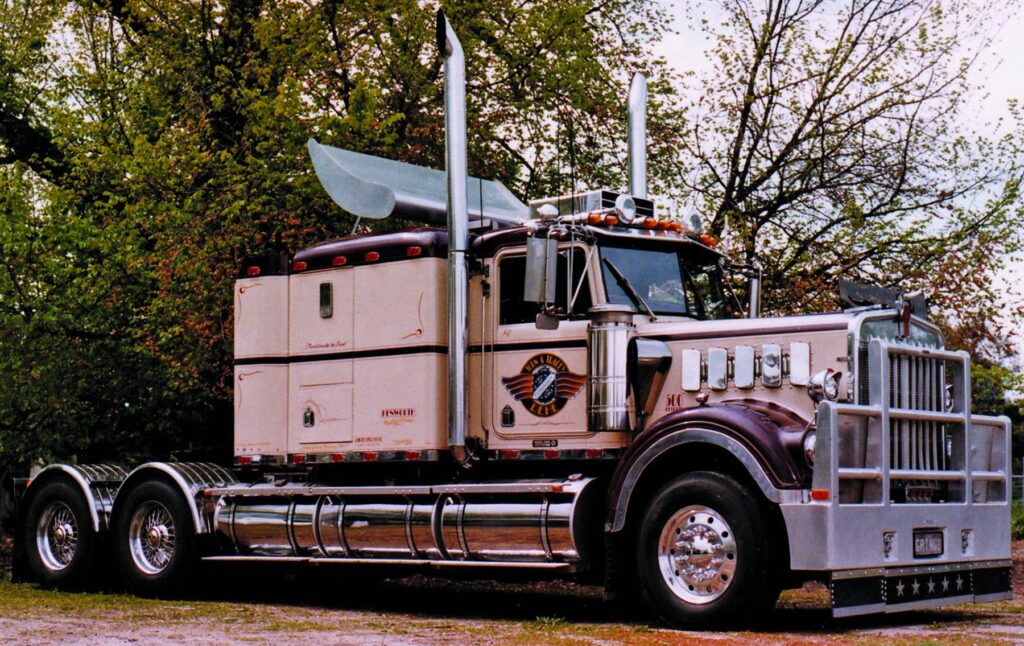
Few Australian custom trucks developed a following quite like the Desperado. When ACT sat down with John “JR” and Tracey Rehe for Issue 2, the conversation was not simply about one Kenworth. It was about a working truck that kept changing, a husband-and-wife team that spent years on the road together, and the posters that made the Desperado familiar to people who had never seen it in person.
Before Desperado
JR had been customising trucks long before the best-known Desperado appeared. An earlier truck, Blue Max, went to his brother Tex, who suggested the Desperado name. JR first used it on a White Road Boss and then carried it across to a new Kenworth W900 bought in 1983.
The W model was a serious interstate truck: Detroit power, a 13-speed Roadranger, a long double-rail chassis and a high-rise Keith sleeper. It was also a blank canvas.
JR started changing it almost as soon as it arrived. Mudflaps, lights, badges, grille bars and dashboard details were altered. Then came the paint schemes.
Six looks, one truck
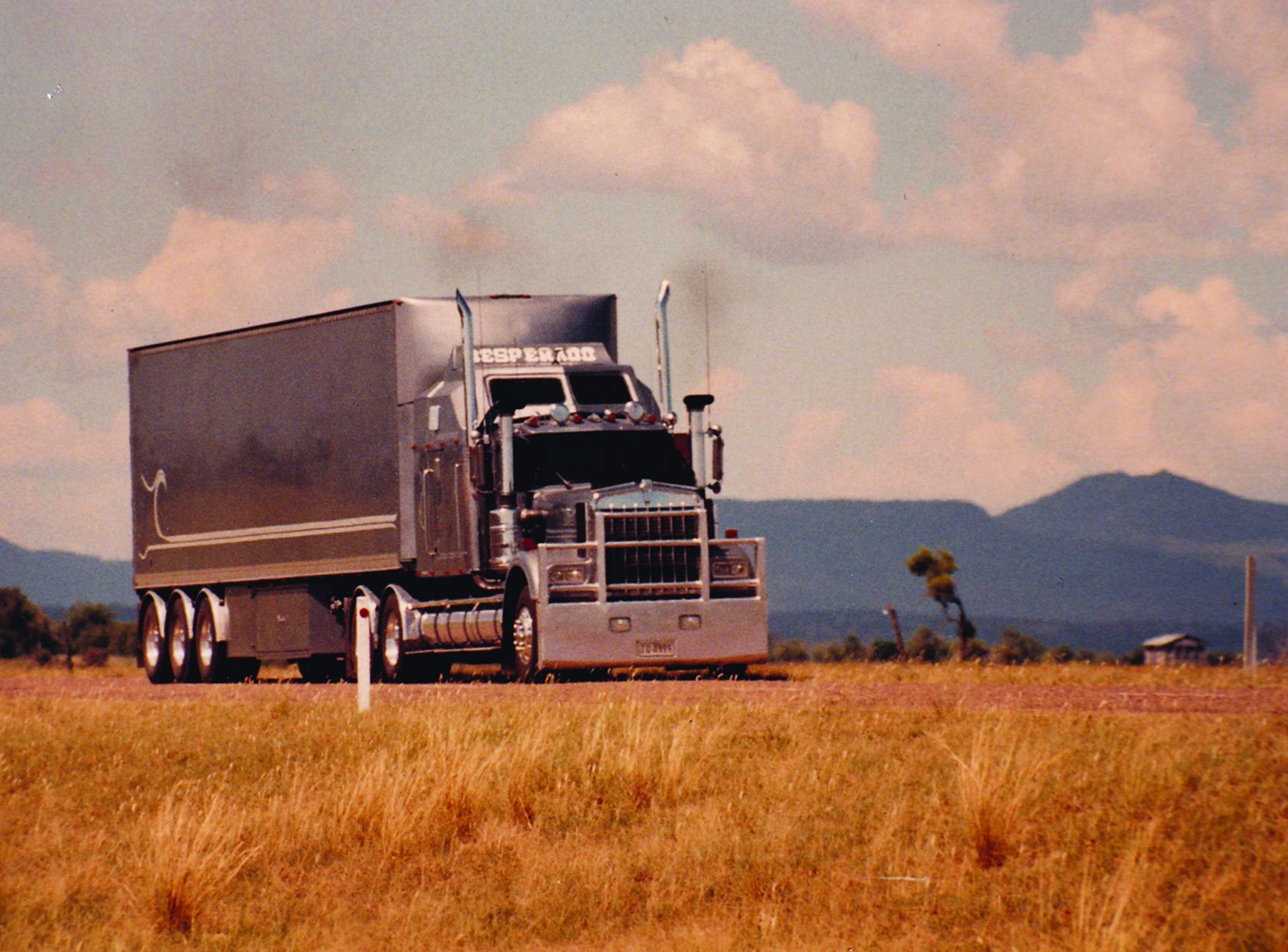
Over its life the W900 wore six different looks: charcoal, two silver treatments, midnight blue, white, and finally the cream-and-plum combination many people remember. The constant revisions were part of the truck’s identity. It worked for a living, but it was never regarded as finished.
Tracey behind the wheel
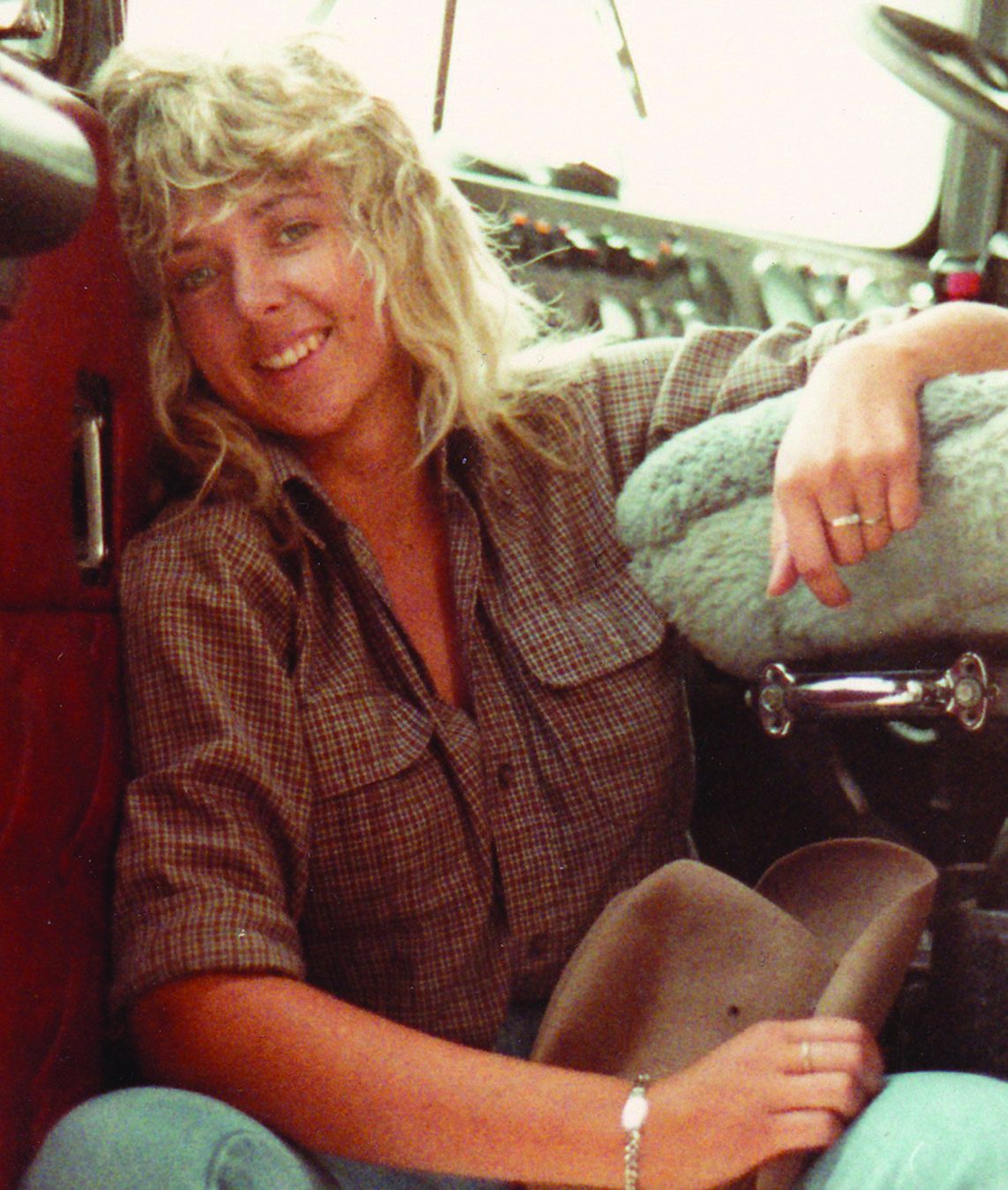
Tracey was central to the story. She and JR ran two-up, and she remembered the freedom of seeing Australia from the truck and the community among regular Brisbane runners. Her presence behind the wheel was unusual enough at the time to be noticed.
Years later, people told her that seeing a woman driving a truck like Desperado had helped draw them towards the industry. The truck’s visual presence and Tracey’s role became linked in people’s memories.
The poster truck
Another part of the Desperado story came through Carl Stowe of Christopher Carl Co. After being asked why his truck-poster range relied so heavily on overseas rigs, he commissioned Australian subjects. Desperado and Tracey became familiar faces in those prints.
That gave the Kenworth a life beyond the road. It hung in workshops, bedrooms and offices, becoming part of the visual culture around Australian trucking.
The Rehes sold the truck in 1998. Tracey told ACT that parting with it was difficult. In the 2013 interview they were looking forward to seeing it restored by then-owner Peter Blanas. That was the position when Issue 2 went to print and should not be read as a statement of what happened afterwards.
ACT archive note: This feature reflects the Desperado story as told to ACT in 2013. Later ownership and restoration history should be independently verified.
From the ACT archive
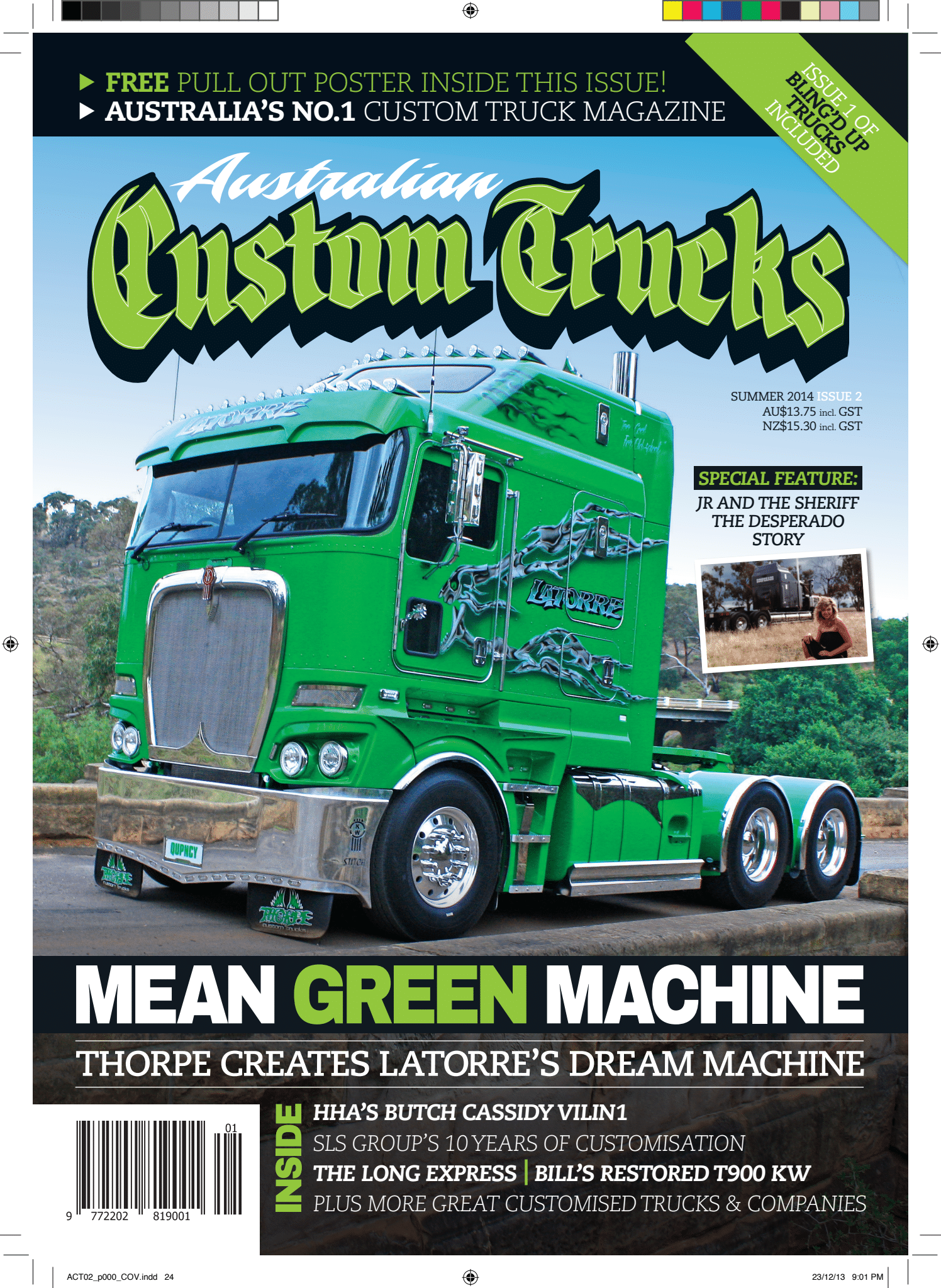
Originally published in Australian Custom Trucks, Issue 2, Summer 2013. This online edition has been edited for grammar, clarity and digital reading while preserving the interviews, technical detail and character of the original feature.
A limited number of original print editions may become available for sale. If you are interested in an archive copy, register your interest with ACT.
Rear Vision — where is Desperado now?
If you have a verified update, current photographs or memories of seeing the truck in one of its different paint schemes, tell ACT what happened next.