01 / BUILDS
Machines with a job to do
Custom combinations, standout fleet builds and working trucks engineered around the task.
Show us your build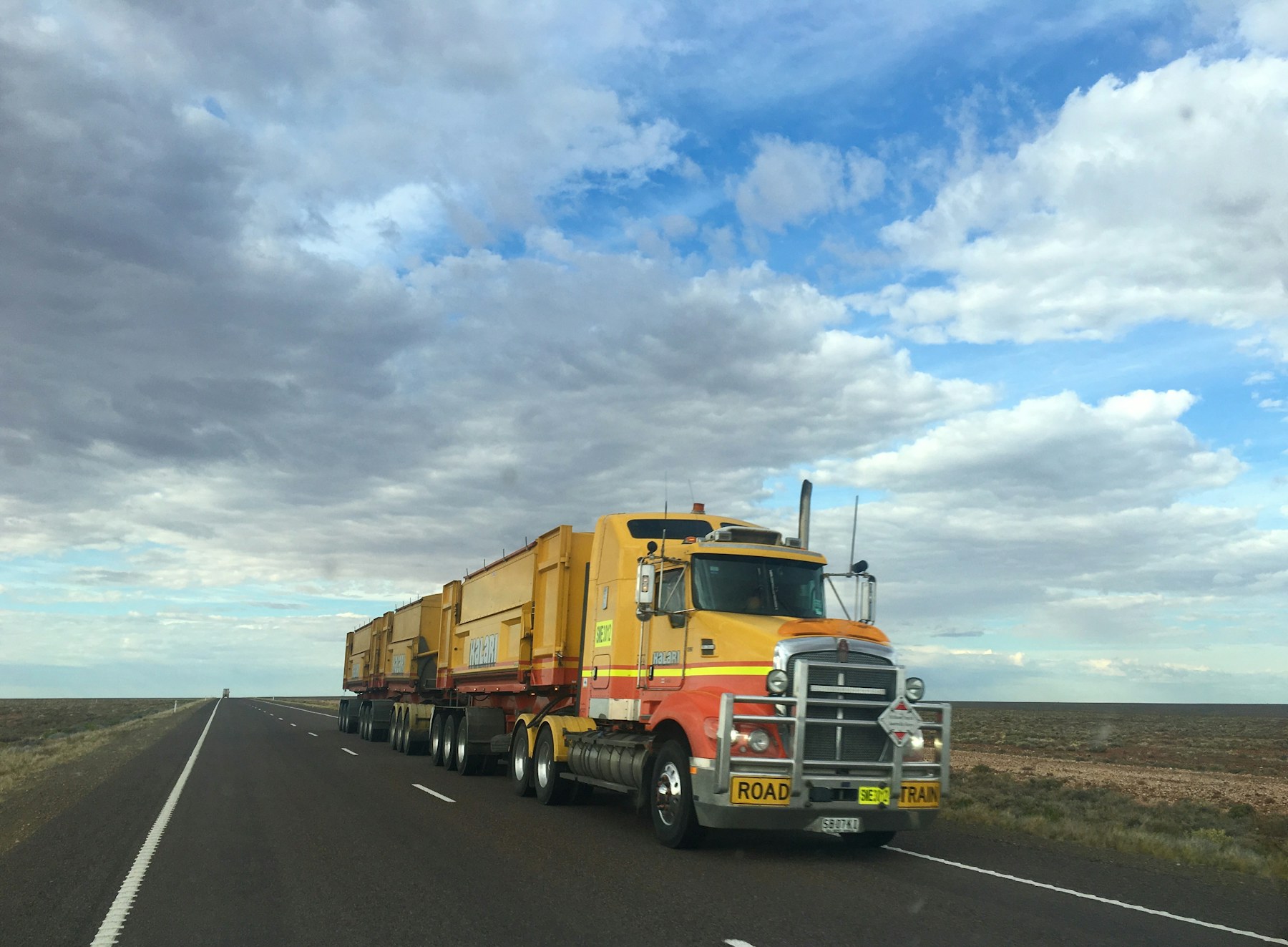
Australian trucks · trailers · equipment
The commercial discovery platform for remarkable Australian builds, productive equipment and the specialists behind them.
Australian Custom Trucks celebrates the machines people stop to look at—and explains the engineering, productivity and people that make them worth knowing.
We connect operators and enthusiasts with builders, dealers, workshops, suppliers and equipment businesses across Australia.
01 / BUILDS
Custom combinations, standout fleet builds and working trucks engineered around the task.
Show us your build02 / EQUIPMENT
Trailers, bodies, technology and equipment assessed through the work they help operators perform.
Pitch equipment03 / PEOPLE
Builders, fabricators, painters, workshops and suppliers whose expertise deserves to be found.
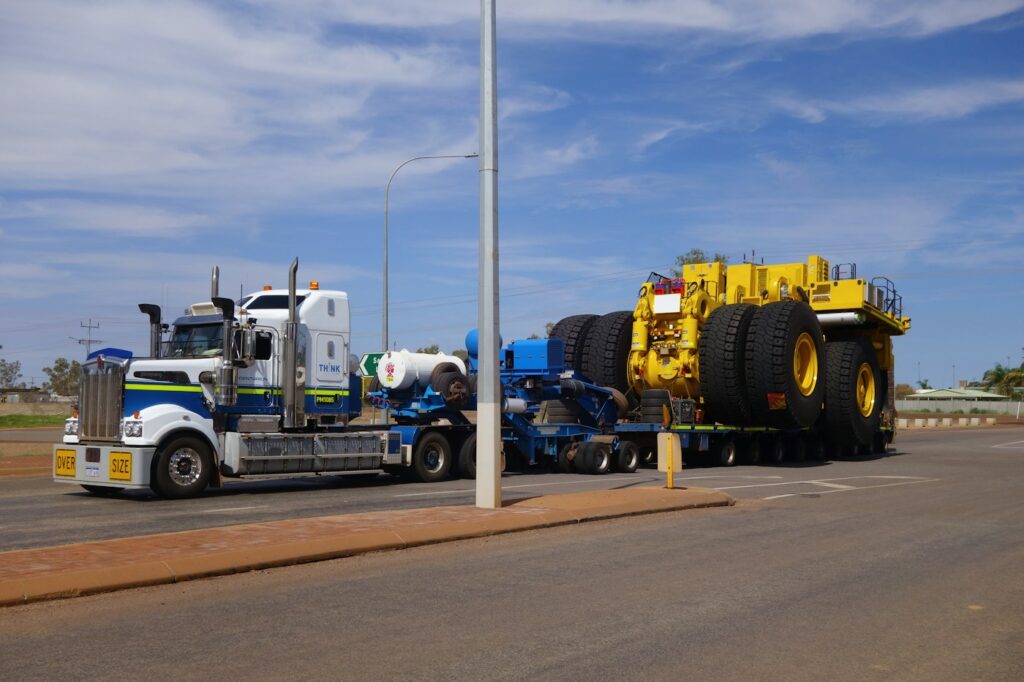
Explore the directoryHeavy haulage photo: snap wander / Unsplash
Supplier directory
Search builders, suppliers, equipment specialists and professional services by capability. Free, Enhanced and Featured pathways are now open.
Supply the industry? Put your capability where operators can find it.
Explore the industry directoryCurrent reporting · in-depth features · restored archive
News is current and time-sensitive. Features go deeper. Rear Vision restores the best of Australian Custom Trucks with its original publication context intact.
State and federal skills ministers have approved a nationally recognised four-unit training package designed to establish a formal standard for livestock handling,…
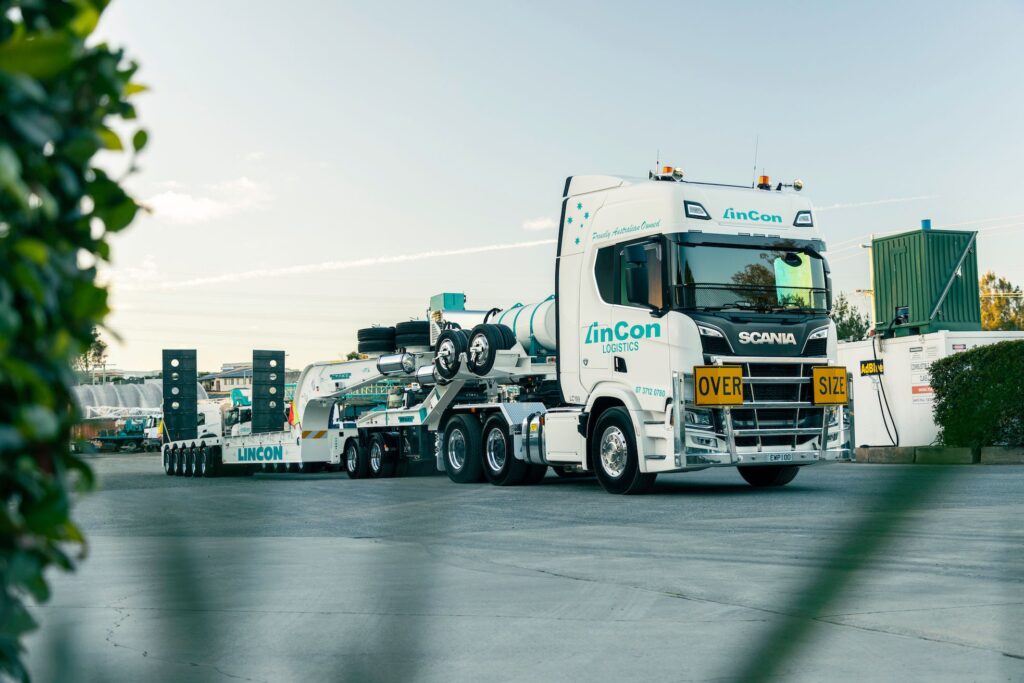
LinCon is adding 6x6 and 8x8 Scanias carrying Palfinger platforms up to 75 metres, while a 660 hp V8 prime mover takes…
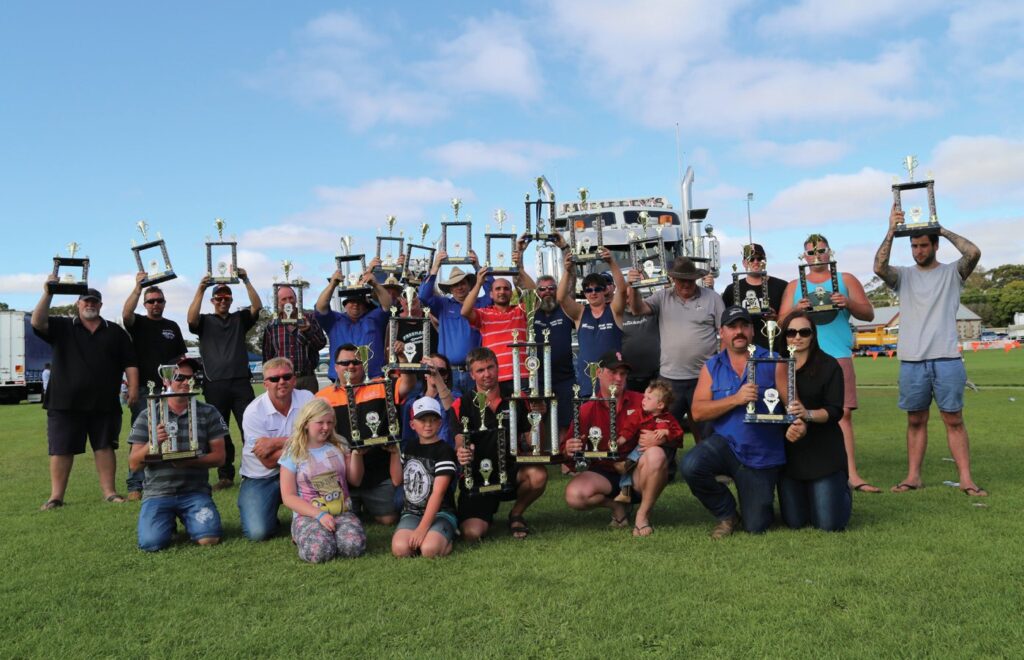
ACT’s original Koroit pictorial celebrates the winners, organisers and trucking families at the 2016 show.
Commercial opportunities
ACT gives transport suppliers a clearer alternative to anonymous banner advertising: searchable presence, credible explanation and a direct route to contact.
FOUNDING DIRECTORY
A structured supplier profile built around capability, location and the work you want.
FEATURE & CAMPAIGN
Turn a product, build or capability into audience-ready commercial content.
INDUSTRY PARTNERSHIP
A coordinated presence across directory, content and selected ACT campaigns.
ACT offers commercial features, advertising and supplier promotion. Paid and sponsored content is clearly identified. Which Way To Go provides independent transport news and analysis separately.
Your truck. Your work. Your story.
Tell us who built it, what it does, what changed and why it matters. Owner-drivers, fleets, builders and suppliers are welcome.