MAN electric truck becomes a 350kW power bank for freight depots
News · November 1, 2026
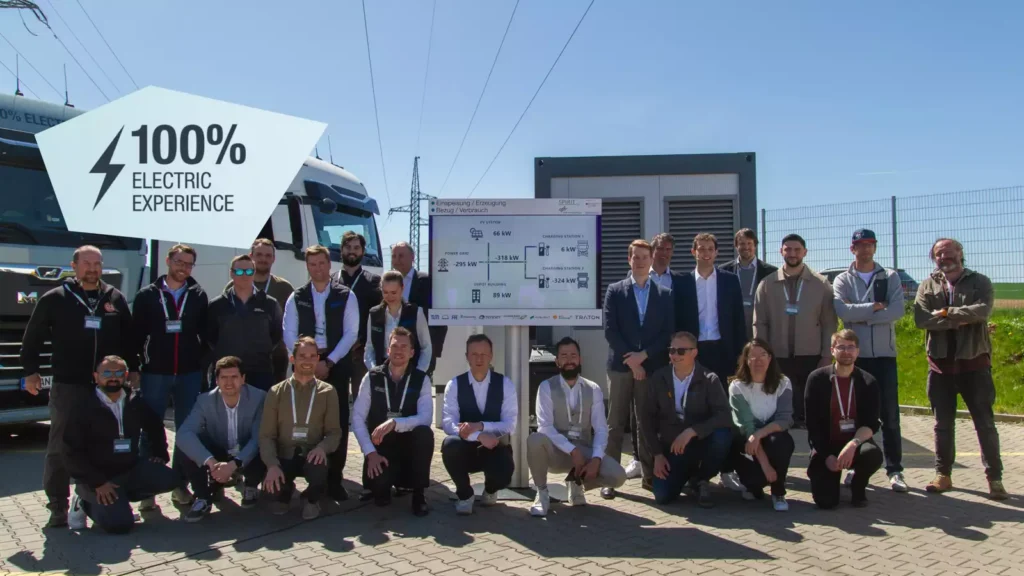
A battery-electric truck that can help power a transport depot, recharge another vehicle and return electricity to the grid could change how operators manage energy costs.
MAN Truck & Bus has demonstrated those capabilities using an eTGX electric truck in Germany, following the completion of the three-year SPIRIT-E research project.
The trial, conducted at logistics operator Schmid’s depot near Regensburg, used an eTGX with 480kWh of usable battery capacity.
Through a bidirectional DC charging system, the truck returned electricity to the depot’s electrical network and the public grid at rates of up to 350kW.
The technology also demonstrated vehicle-to-vehicle charging, potentially allowing one electric truck to supply electricity to another.
Could Australian fleets benefit?
For Australian transport operators, the most interesting application may be using electric trucks as temporary energy storage while they are parked at a depot.
A fleet with rooftop solar generation, for example, could potentially store surplus electricity in its trucks and use that energy later to help power depot operations.
The system could also reduce peak electricity demand or take advantage of changing electricity prices.
According to MAN’s research announcement on 30 October 2026, internal project calculations suggest average energy-cost savings of around 10 per cent, potentially reaching 20 per cent under favourable conditions.
Those are project estimates, however, not demonstrated savings for Australian transport businesses.
Not every truck will suit
The researchers identified regional and local freight operations with regular depot parking as particularly promising applications.
Vehicles travelling less than 100,000km annually may offer more opportunities to charge and discharge their batteries without interfering with freight operations.
Long-distance prime movers with limited depot downtime may offer considerably less flexibility.
The Australian question
For Australian fleets, the practical questions include grid connection capacity, compatible vehicles and chargers, electricity tariffs, battery warranties and whether any revenue from supplying power back to the grid would outweigh infrastructure costs.
MAN says it is working towards bringing bidirectional charging into series production, but the research demonstration does not establish an Australian commercial rollout.
For fleet operators, the attraction is straightforward: a truck that earns its keep on the road might eventually help reduce electricity costs while parked.
Whether those savings justify the investment will depend on the individual operation.
Image: MAN Truck & Bus — SPIRIT-E bidirectional charging demonstration in Germany.