Loadstar Reborn: rebuilding a truck from Phil Ellbourn’s past
Rear Vision
Words by Chris Smith. Photography by Robbie Rose.
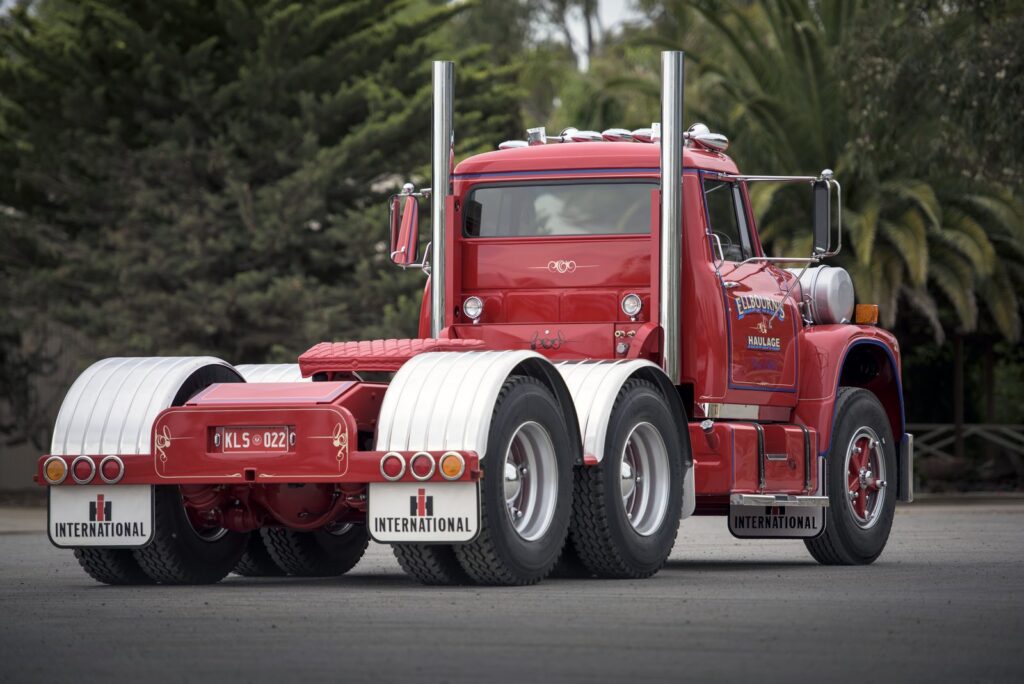
Phil Ellbourn did not choose an International Loadstar because it was the easiest restoration project, the most valuable truck to rebuild or the most practical way to spend the money.
He chose it because he had driven that very truck decades earlier.
By the time Australian Custom Trucks caught up with Ellbourn, he had spent much of his working life on some of the hardest transport tasks in Australia, including road-train gas tanker work through remote parts of South Australia and the Northern Territory. Yet the truck he wanted to preserve was tied to an earlier chapter.
The Loadstar had once been part of his working life in the 1970s. Years later, after talking with long-time friend Tony Kuchel about restoring an old truck, Kuchel remembered where it had ended up.
Found under a gum tree
The truck had been parked for years when Ellbourn and Kuchel went looking for it. Its owner was initially reluctant to sell because he still intended to restore it himself.
Ellbourn and Kuchel explained why this particular Loadstar mattered. Ellbourn had driven it, and so had a close friend who had since died. Eventually, persistence and the truck’s sentimental value helped secure the deal.
Ellbourn later joked about the economics of the project. A more rational buyer might have restored a Kenworth that could go back to work and earn money. That was never really the point.
“If we all thought like that there wouldn’t be any old trucks getting done up,” he told ACT. “It’s a fading part of history.”
Old school, but better than new
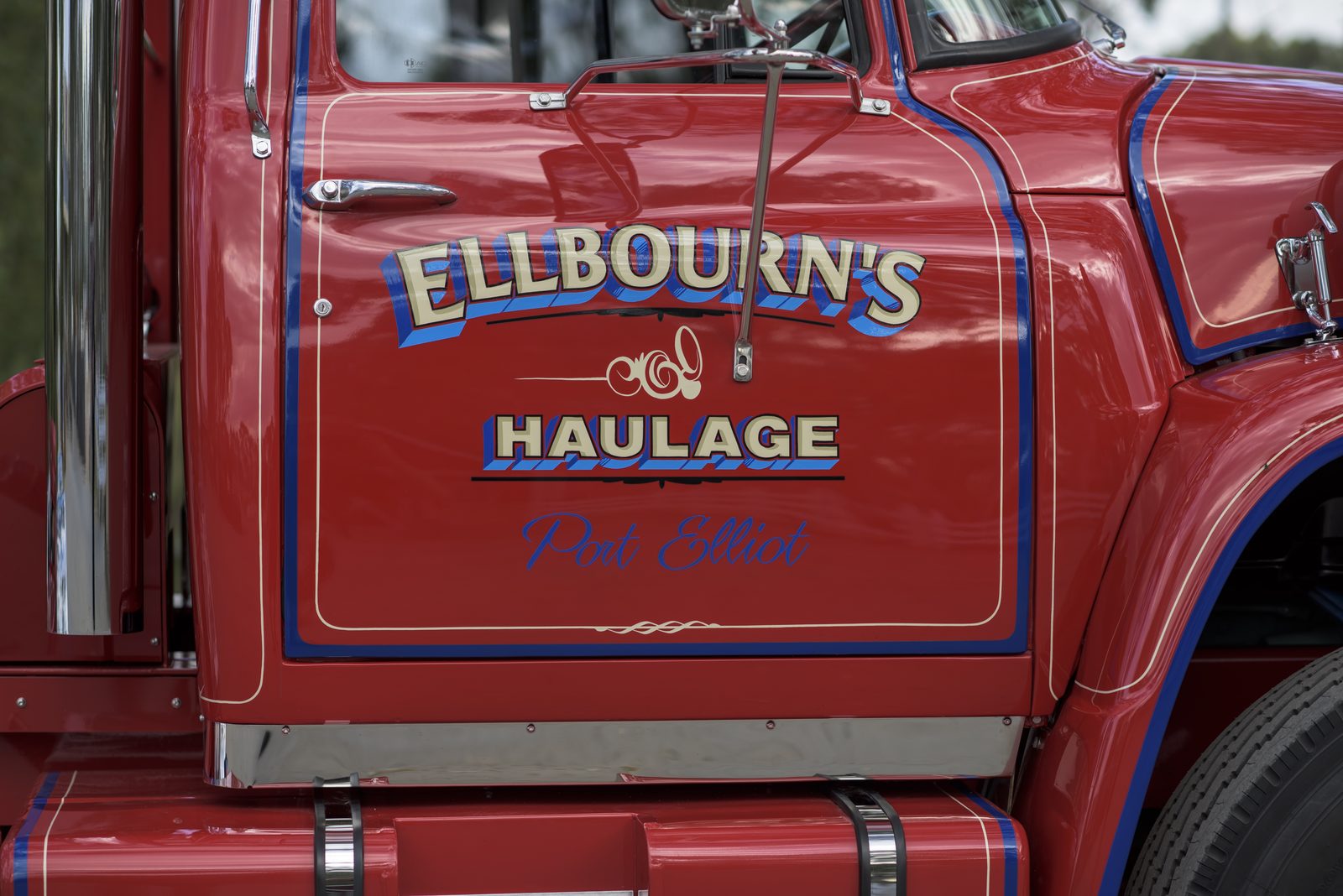
Once the truck was bought, the brief to Kuchel Custom Trucks was unusually clear. Ellbourn wanted it to remain recognisably old-school. He did not want modern chrome fenders and a collection of accessories that would erase its history.
He did, however, want the workmanship and usability improved wherever it made sense.
“I wanted to keep it the same as in the day but still have a little bit of the extra,” Ellbourn explained.
The Kuchel family was well suited to the job. Their experience covered heavy transport, custom trucks, hot rods, engineering, fabrication and electrical work, allowing most of the rebuild to stay under one roof.
What started as a restoration soon became far more extensive.
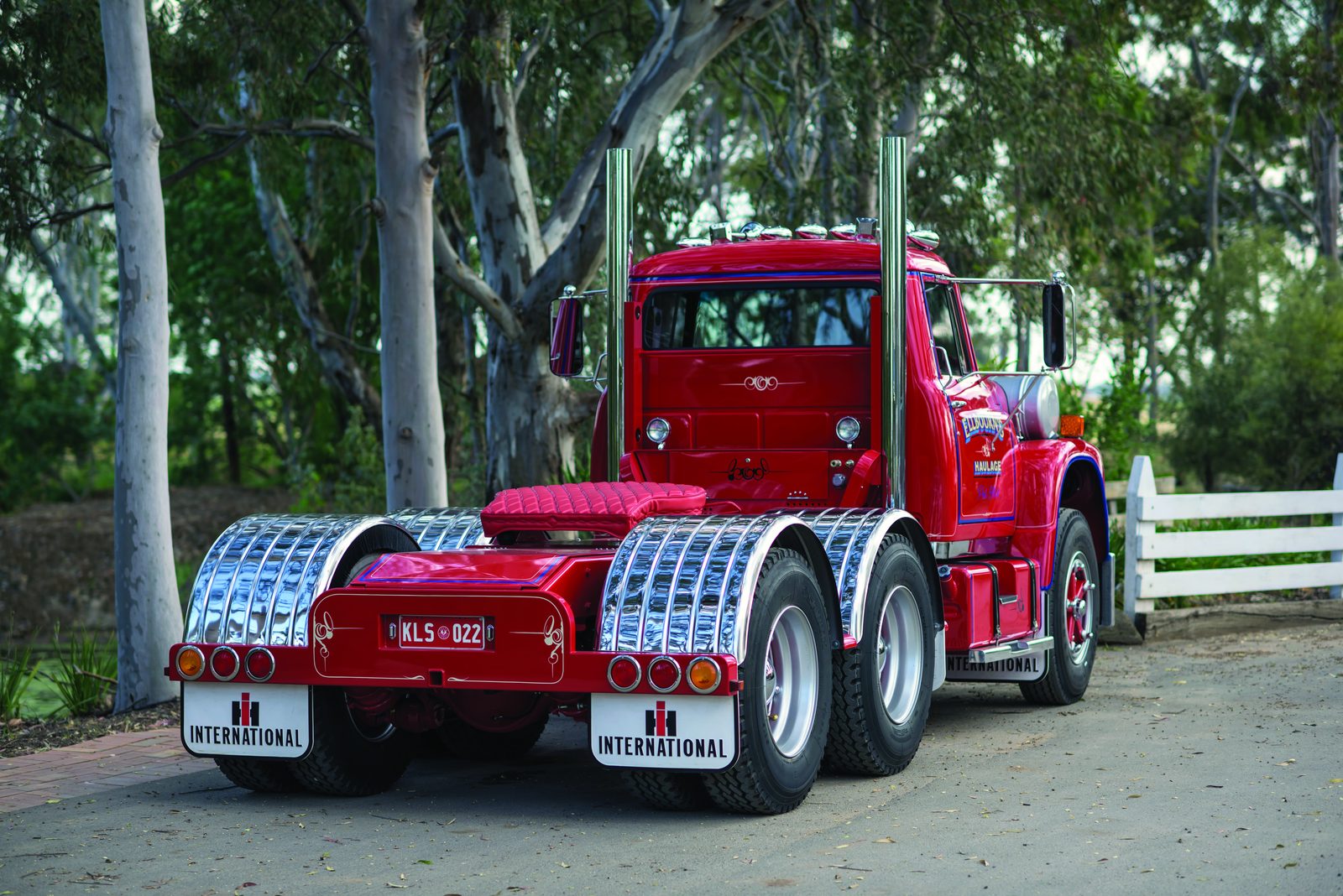
After the Loadstar was stripped, the original double chassis rails were found to be unsuitable. Instead of compromising, the team had replacement rails pressed from equivalent material, then shaped, cut and drilled using the originals as templates.
“By the time we completed them we basically built a new chassis, copied off the original, and then built the Loadstar back up from there,” Tony Kuchel told ACT.
Rebuilding every system
The cab, engine and gearbox were retained but reconditioned. The axles were rebushed, a new clutch fitted and the braking system updated from wedge brakes to a later cam-brake arrangement.
The electrical system was completely rewired in-house by Tony’s son Jordan. Fabrication extended to the exhaust, rear light bar, brackets, matching steps and other components that were designed to follow the same visual theme.
The team paid attention to details that would normally be hidden. Chassis holes were kept in clean lines. Brackets were shaped consistently. Fuel-tank steps and mudguard supports followed matching curves. Bolts and functional components were concealed where possible without making the truck look artificially modern.
Tony Kuchel described the result as mechanically faithful to the original while being far better finished and easier to operate.
Even the chassis painting reflected that standard. Components were painted individually before assembly rather than being bolted together first and coated as a unit. Paintwork was completed in-house and baked for a consistent finish.
A cab that still remembered what it was
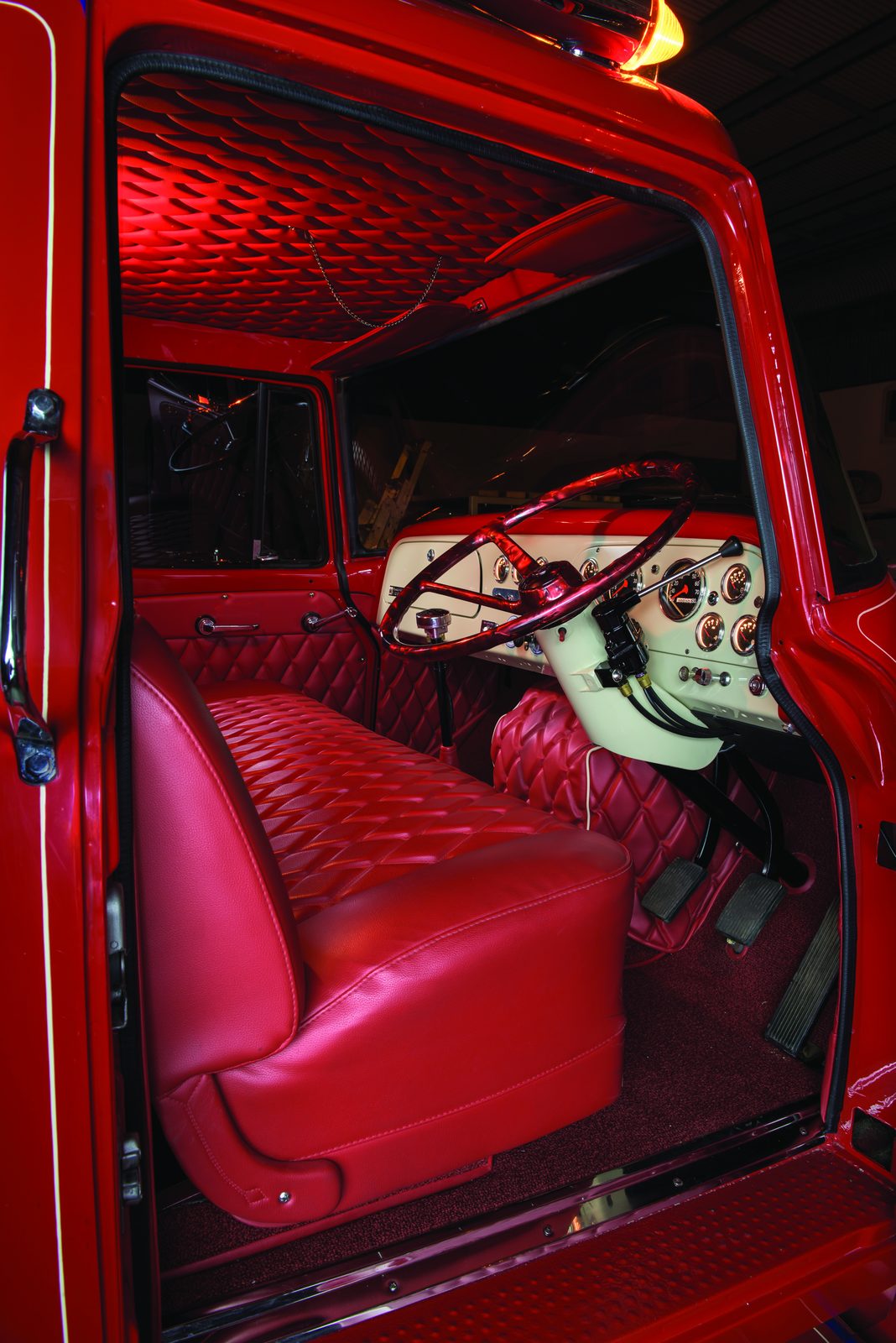
The interior received more upholstery than the Loadstar would originally have carried, along with carpet, updated instruments and a new steering wheel. Local upholsterer Steve Baum of Stateside Trim completed the trim work.
Even here, the intention was not to turn the truck into something from a different era. The new work was meant to complement the Loadstar’s character rather than overwhelm it.
At the time of the original feature, one notable omission remained: power steering. Ellbourn admitted it would probably come later, once the restoration budget recovered.
In the meantime, the heavy steering served as what he called a “gentle reminder” of what the truck had been like to drive in its working years.
That line captured the philosophy of the whole project. This was not a replica created to look old. It was the actual truck, rebuilt by people who understood that the memories mattered as much as the metal.
ACT archive note: This is a historical feature. Employment, operating details, business structures and personal circumstances refer to the original reporting period.
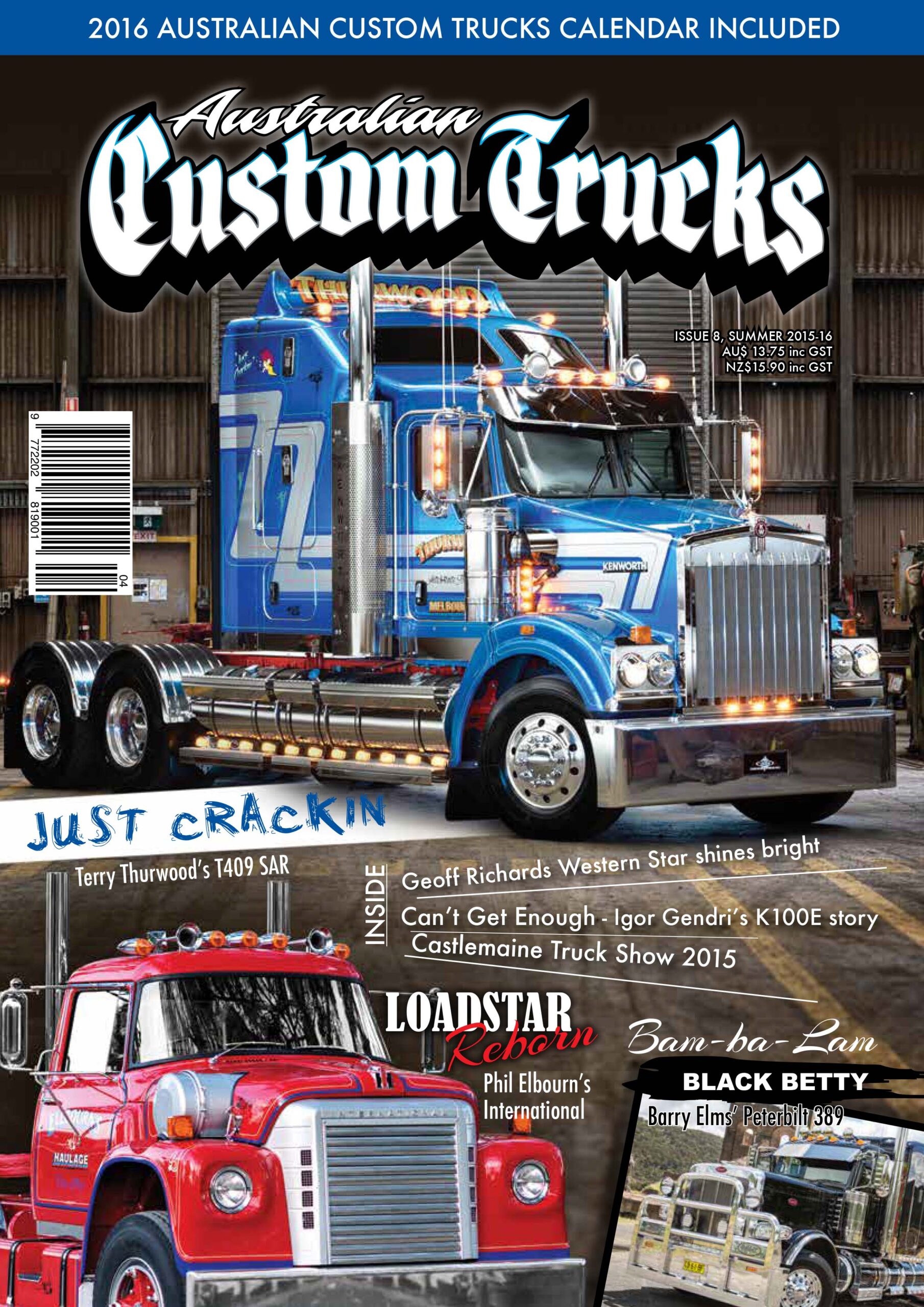
From the ACT archive
Originally published in Australian Custom Trucks, Issue 8 (January 2016). This online edition has been edited for grammar, clarity and digital reading while preserving the substance, interviews, technical detail and character of the original feature.
A limited number of original print editions may become available for sale. If you are interested in an archive copy, register your interest with ACT.
Rear Vision — where is the Loadstar now?
Do you know what happened to Phil Ellbourn’s restored Loadstar after this ACT feature? Send ACT a current photo, memory or update. We will verify its present-day story before adding a follow-up.